
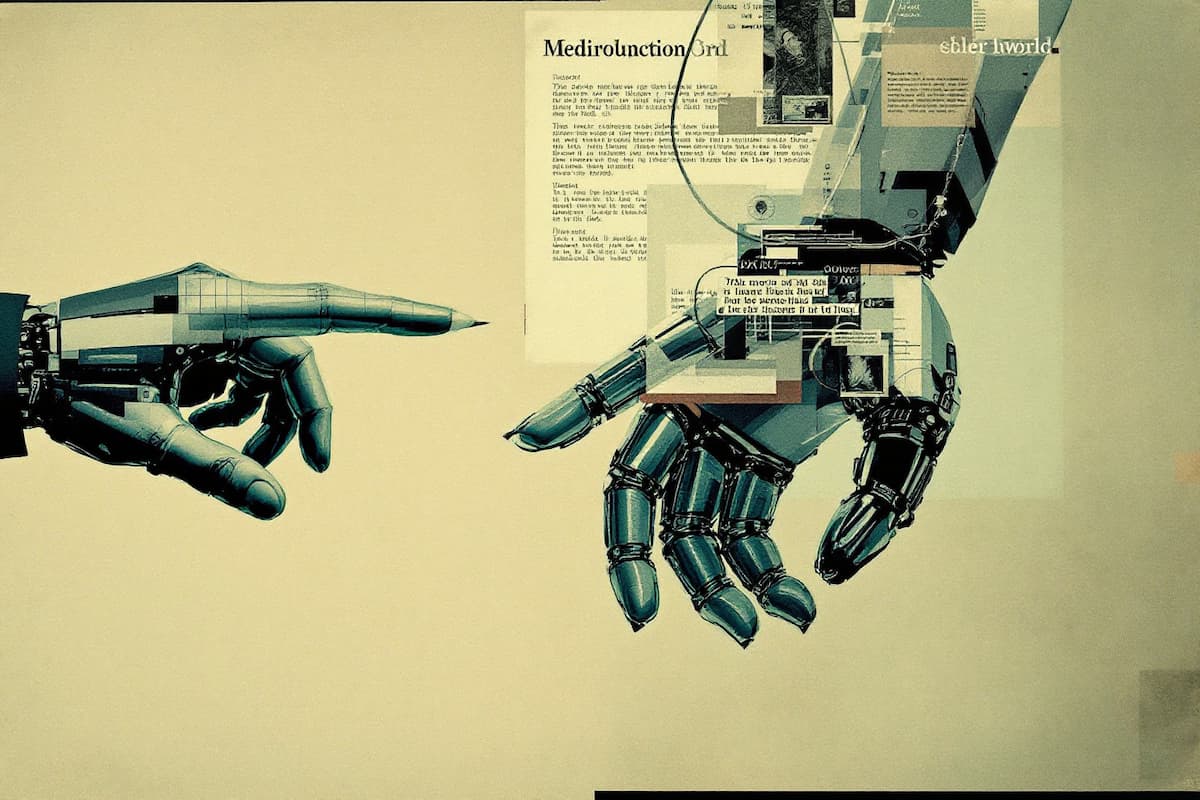
There’s something inherently human about wanting to make things that make things.
It’s why we build factories, write programs, or start companies. But when the things we build start writing poems, painting pictures, and generating music—well, that’s when it gets interesting. That’s generative AI.
Most people, when they hear “AI,” still picture something out of science fiction: a robot with glowing eyes or maybe the calm voice of a spaceship computer. But AI in the real world doesn’t look like that. It looks more like autocomplete on steroids. It writes essays, draws pictures, composes songs, even writes code. And perhaps the strangest part? It doesn’t really know what it’s doing.

If that sounds unsettling, it should. Generative AI is a kind of mirror—not just of the data it’s trained on, but of us. And like all good mirrors, it shows things we weren’t quite expecting to see.
Making Things That Make Things
The idea of generative AI is deceptively simple: feed it a bunch of examples, and it will spit out something that looks like it belongs with those examples. Give it enough Shakespeare and it’ll write you a sonnet. Enough photos of cats, and it’ll generate new, uncannily realistic ones. It doesn’t understand cats or sonnets. But it’s very, very good at mimicking patterns.
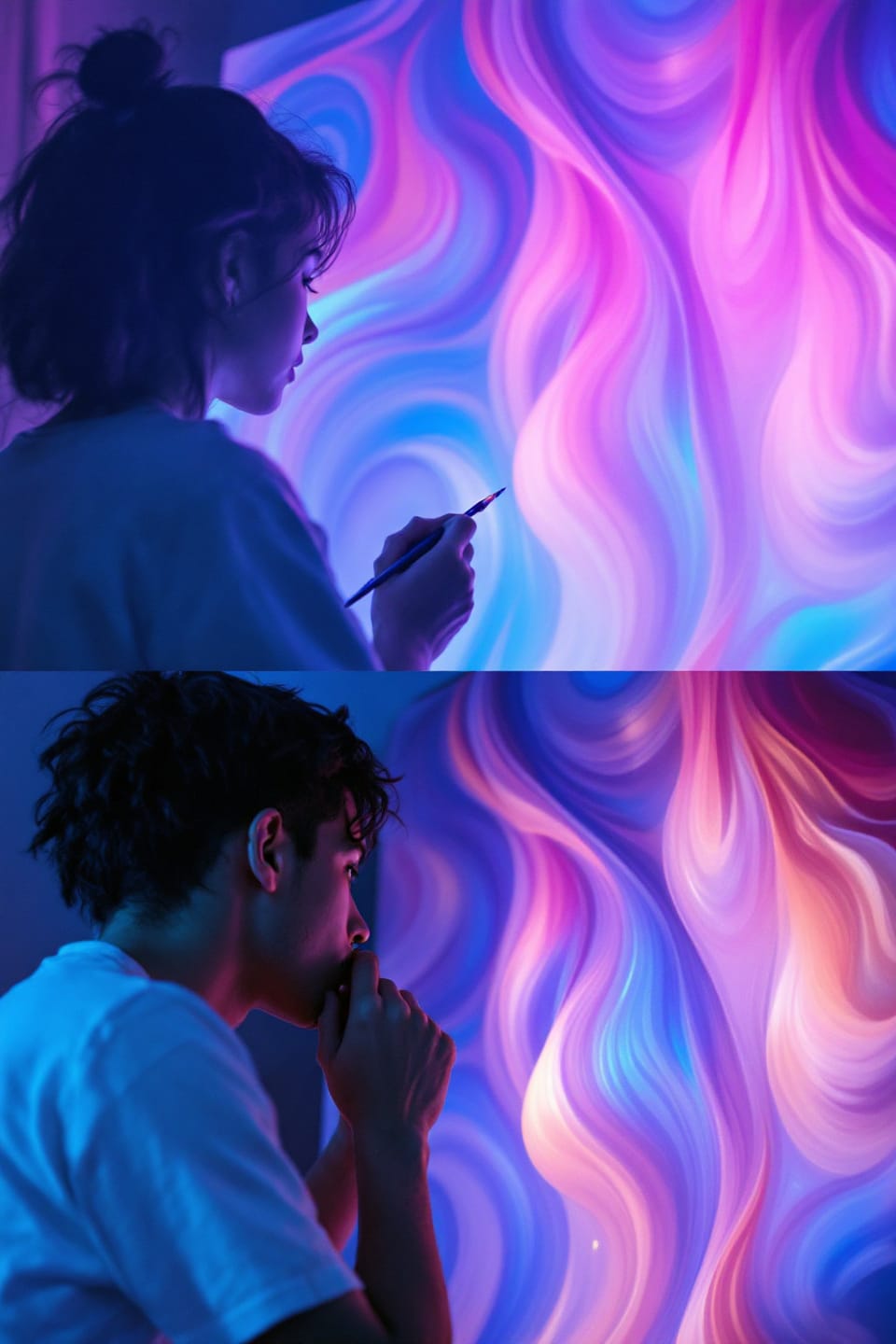
That’s what makes it feel almost magical. You type a sentence, and out comes a paragraph that sounds like something a person might have written. You sketch a few lines, and suddenly there’s a fully rendered image. The machine isn’t reasoning the way we do—it’s just statistically predicting what comes next. But in practice, prediction at that scale starts to look a lot like creativity.
It’s like watching a parrot recite poetry. You know it’s just mimicry, but it still makes you pause.
Why It Feels Like Intelligence
Generative AI lives in that uncanny valley between automation and creativity. When you use it, you’re often struck by how plausible the output is. But “plausible” is the key word here. These models aren’t trying to be correct—they’re trying to be likely.
This is why they sometimes hallucinate facts or invent citations. They weren’t trained to find truth; they were trained to continue a pattern. It’s like giving someone half a crossword puzzle and asking them to finish it—not by solving it, but by guessing what kind of answers usually go there.
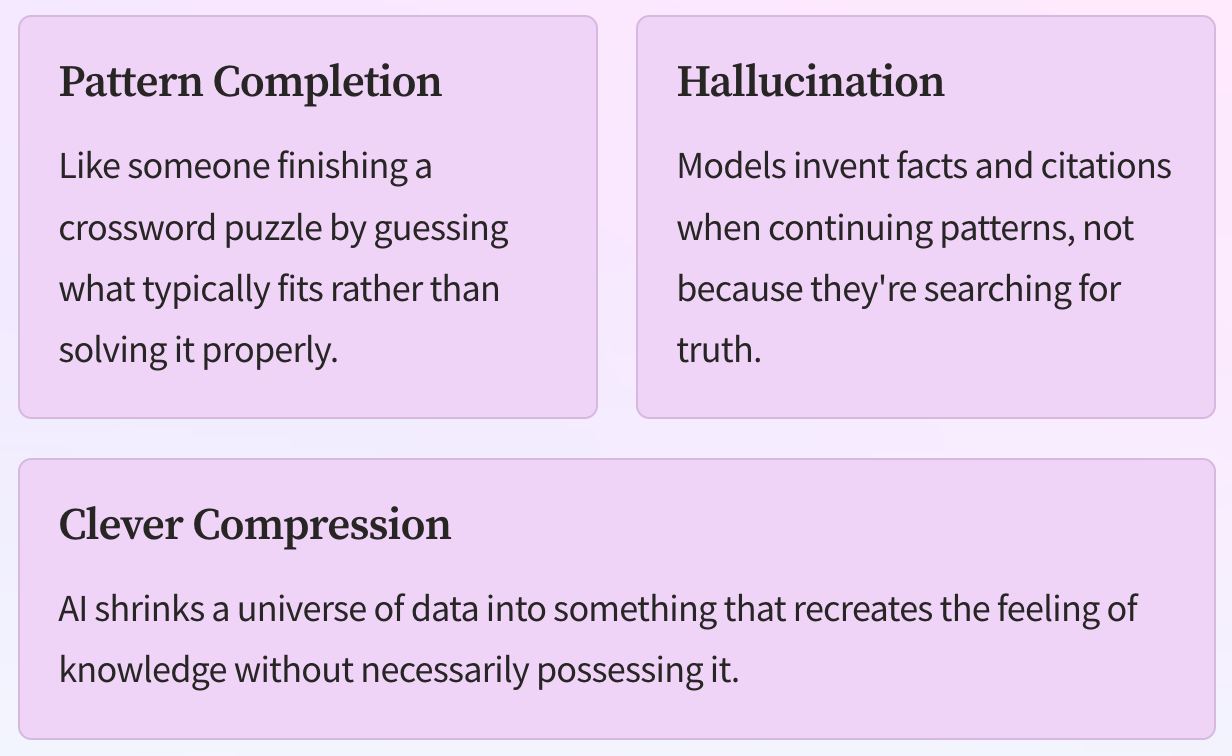
So is it intelligent? In some narrow sense, maybe. But it’s not intelligence in the way we usually mean. It’s more like an extremely clever form of compression—shrinking a massive universe of data into a model that can recreate the feeling of knowledge without necessarily having any.
The Power of Pattern
One of the reasons generative AI is so compelling is that humans themselves are creatures of pattern. We like rhythm in music, symmetry in faces, story arcs in movies. Generative models are good at spotting these, and even better at replicating them.
That’s why they’re thriving in domains like art and writing—places we used to think were uniquely human. Not because the models understand aesthetics or narrative, but because they’ve seen a million examples of what humans find beautiful or meaningful. And they’ve gotten good at faking it.
This has a weird side effect. When a machine starts producing art, we start to question what “real” art even means. If an AI can generate an image that makes you feel something, does it matter that no one felt anything while creating it?
That’s not just a philosophical question. It’s a commercial one too. Who owns the output? Who gets paid? Who gets replaced?
The Factory of Creativity
For startups, generative AI is like discovering a new kind of factory—one that doesn’t build physical goods, but creative ones. Instead of making one design or one ad campaign, you can make a thousand. Test them all. See what sticks.
This is already happening in places like marketing, gaming, and film. A small team with the right tools can now compete with companies ten times their size. Not because they work harder, but because they’ve outsourced part of their creativity to the machine.
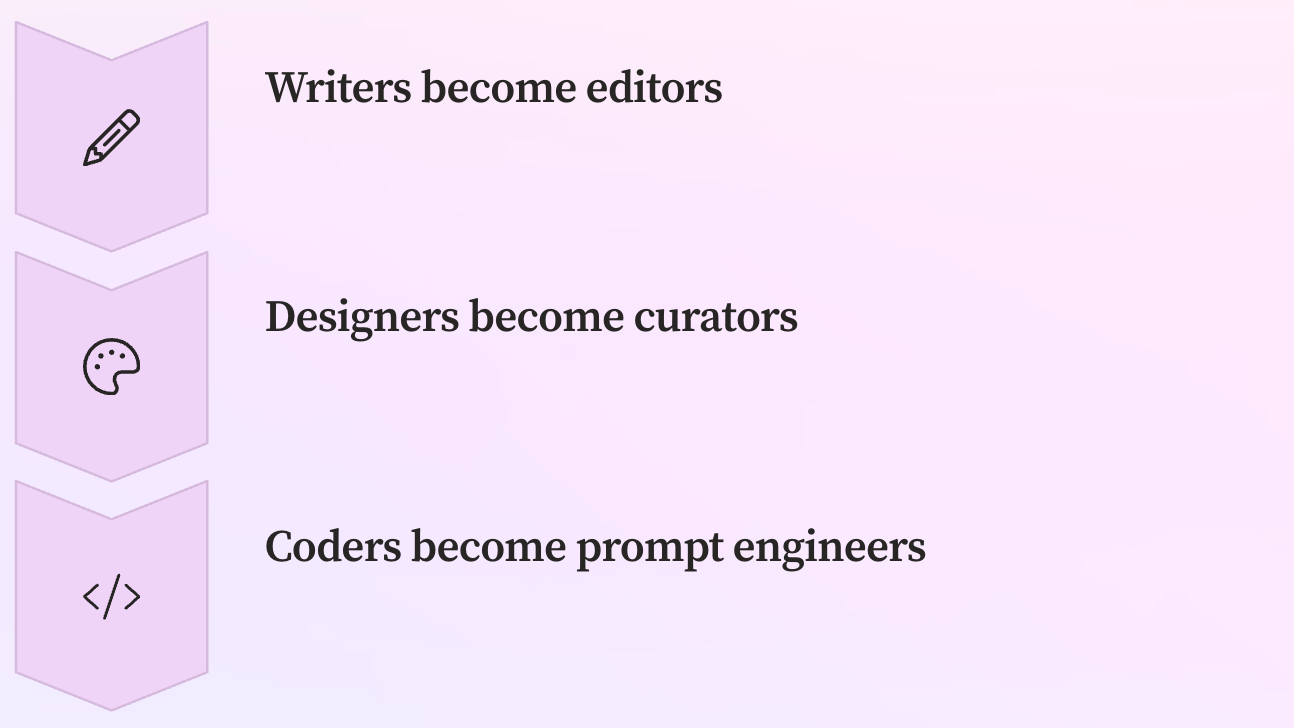
But it’s not just a productivity hack. It changes the nature of the work itself. Writers become editors. Designers become curators. Coders become prompt engineers.
In some ways, this is just a continuation of what software has always done: shift the bottleneck from production to decision-making. The hard part isn’t making the thing—it’s knowing which thing to make.
The Dangerous Ease of It All
There’s a catch, of course. When it becomes that easy to generate content, we risk drowning in it. Not all outputs are good. In fact, most of them aren’t. The signal-to-noise ratio gets worse, and distinguishing real insight from plausible fluff becomes harder.
You’ve probably felt this already. A blog post that sounds intelligent until you realize it said nothing. A piece of art that looks impressive but lacks soul. A synthetic voice that’s just off enough to be unsettling.

We’re entering a world where effort is no longer a reliable signal of quality. That’s a big shift. Historically, things that were hard to make tended to be more valuable. But what happens when everything is easy to make?
The Inevitable Backlash
There’s a kind of pendulum swing that always happens with new technologies. First we’re amazed by what they can do. Then we start to notice what they can’t do. Generative AI is heading into that second phase.
People are starting to ask: where’s the depth? Where’s the originality? If everyone’s using the same tools, won’t everything start to sound the same?
This happened with photography, with digital art, with the internet itself. And the answer is always the same: yes, for a while. Then people learn how to push the tools beyond their defaults.
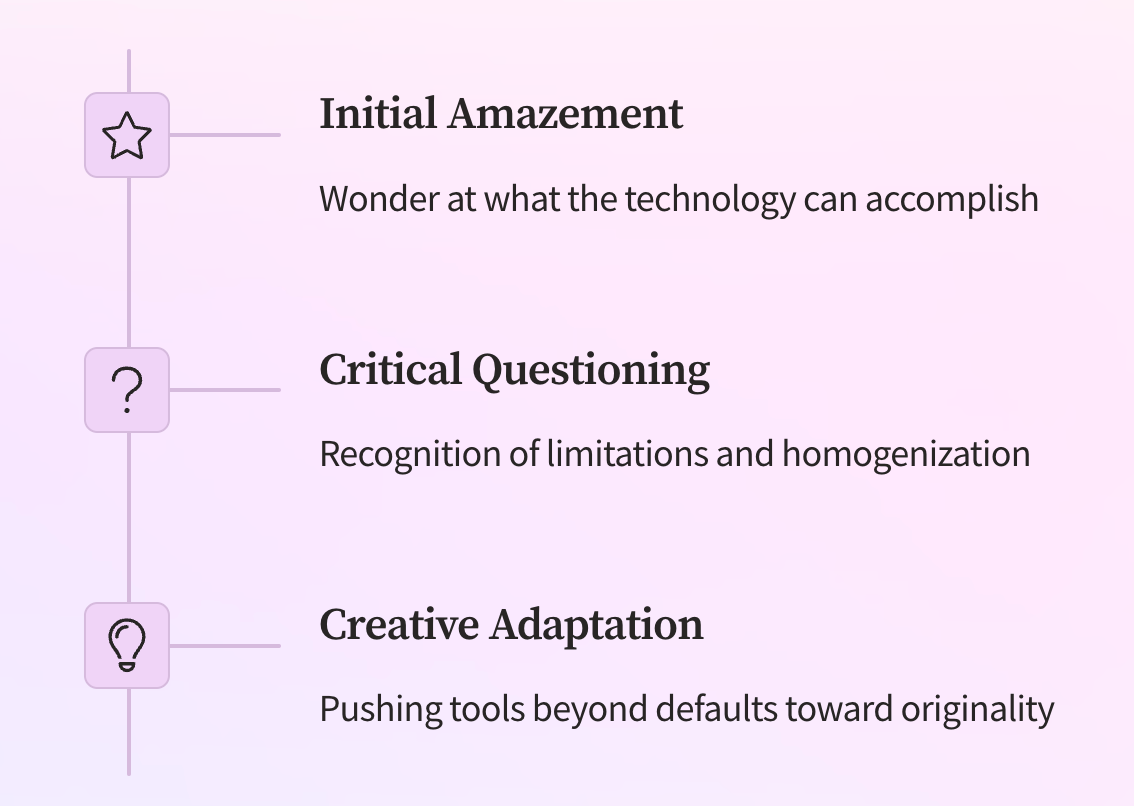
Real creativity isn’t about having no constraints. It’s about having better ones.
The Real Opportunity
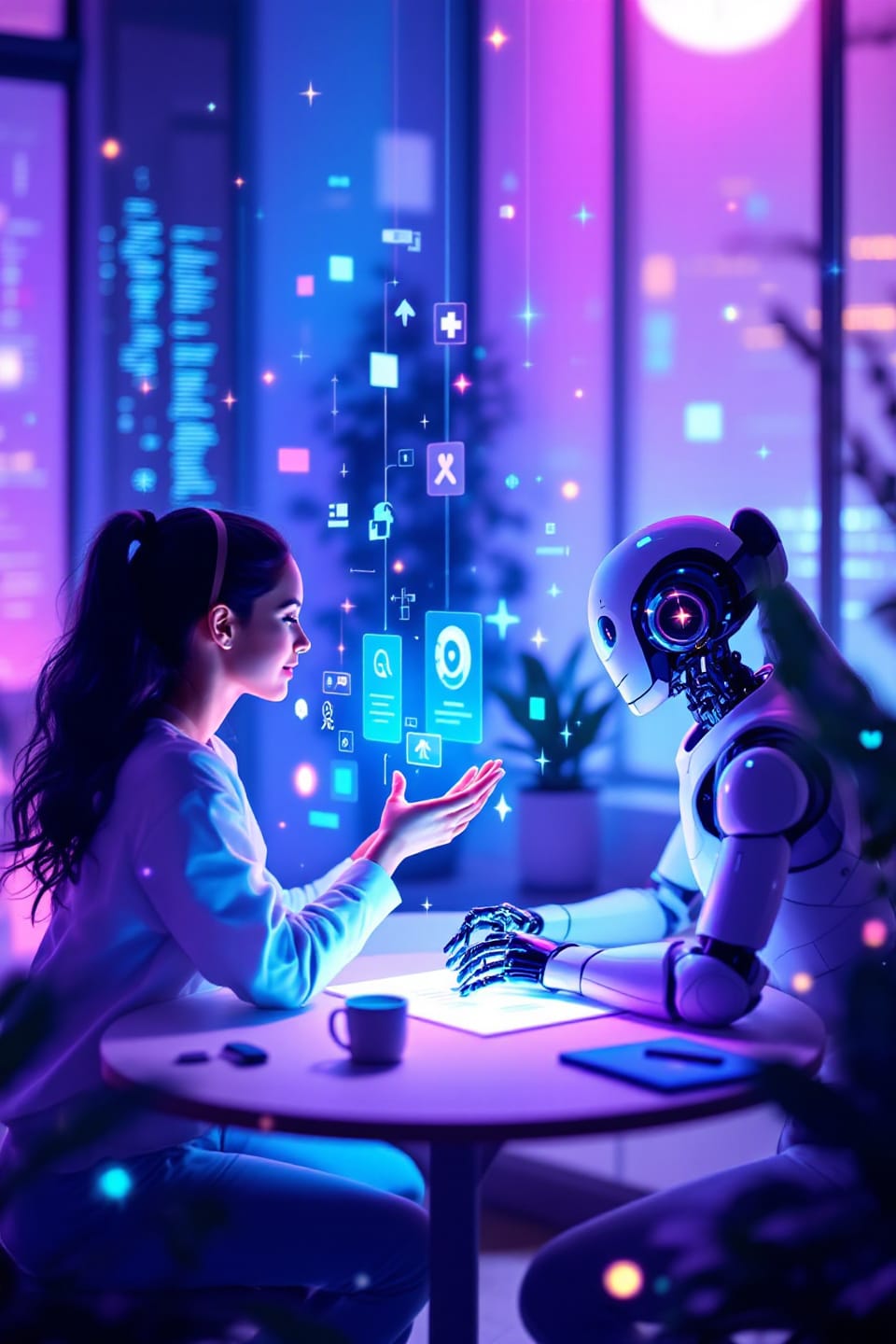
The exciting thing about generative AI isn’t that it replaces humans. It’s that it removes some of the friction between an idea and its execution. You don’t need to know how to code to prototype an app. You don’t need to be a painter to visualize a concept.
That doesn’t make skill obsolete—it makes it more potent. If you know what you’re doing, you can do it faster. If you don’t, the machine won’t magically make you good. It’ll just make your mediocrity more efficient.
The winners in this new world won’t be the ones who rely entirely on AI. They’ll be the ones who treat it like a collaborator—a strange, tireless assistant who’s always slightly out of tune, but occasionally brilliant.
So What Now?
Generative AI isn’t the future. It’s the present. And like most powerful tools, it’s both overrated and underrated. Overrated in the short term, because people expect it to replace human creativity. Underrated in the long term, because it will almost certainly amplify it.
The real question isn’t what generative AI can do. It’s what we’ll do now that we have it.
Will we use it to churn out infinite content? Or will we use it to explore weirder, riskier, more original ideas—ones we never would’ve dared to try before?
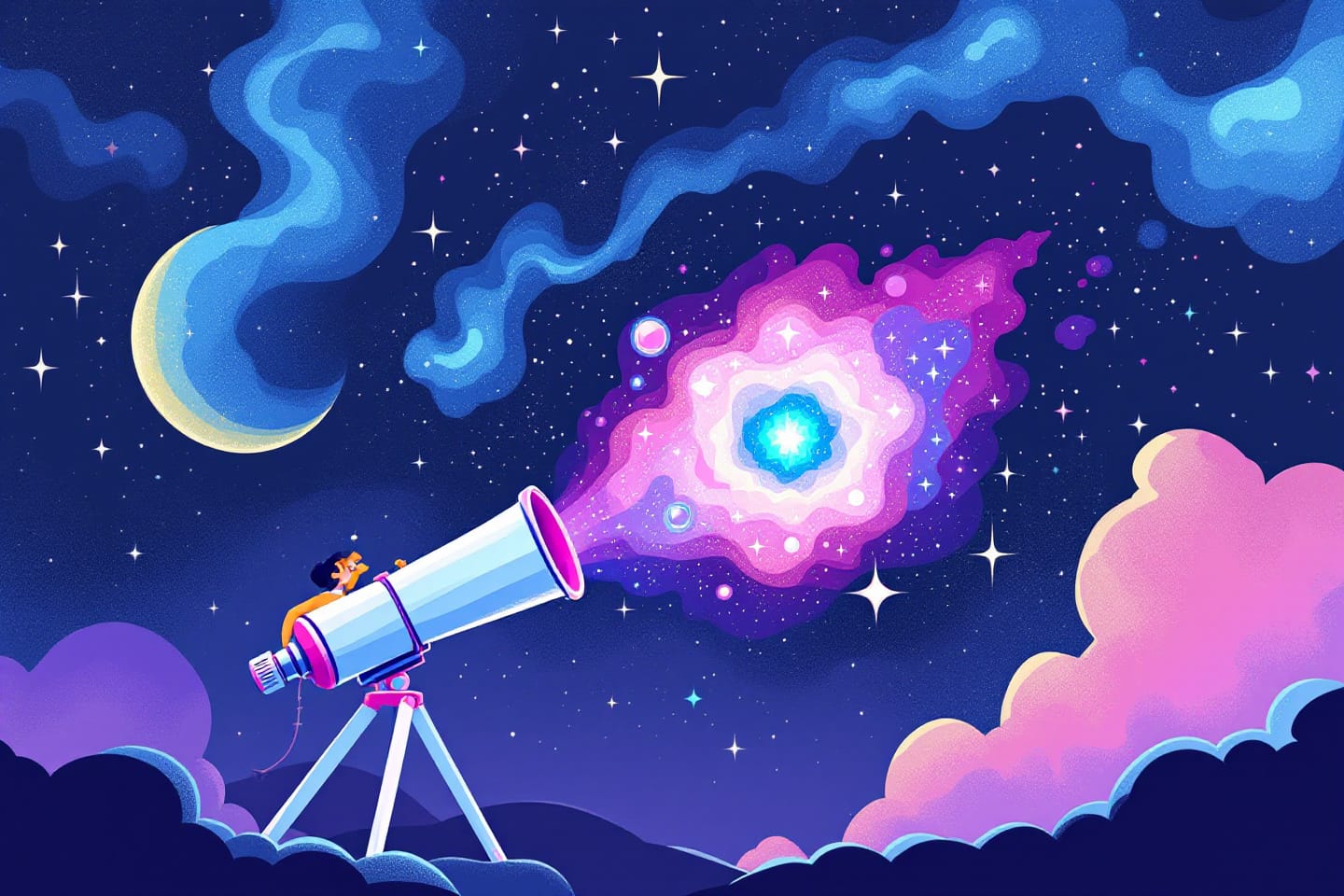
It’s tempting to treat this technology like a shortcut. But maybe it’s better seen as a telescope: not something that gets us there faster, but something that helps us see farther.

Comments