Introduction to AI Foundations
Welcome to AI Fundamentals for Beginners, a comprehensive course designed to provide a foundational understanding of Artificial Intelligence (AI), its core mechanics, transformative applications, and the critical ethical challenges it presents.
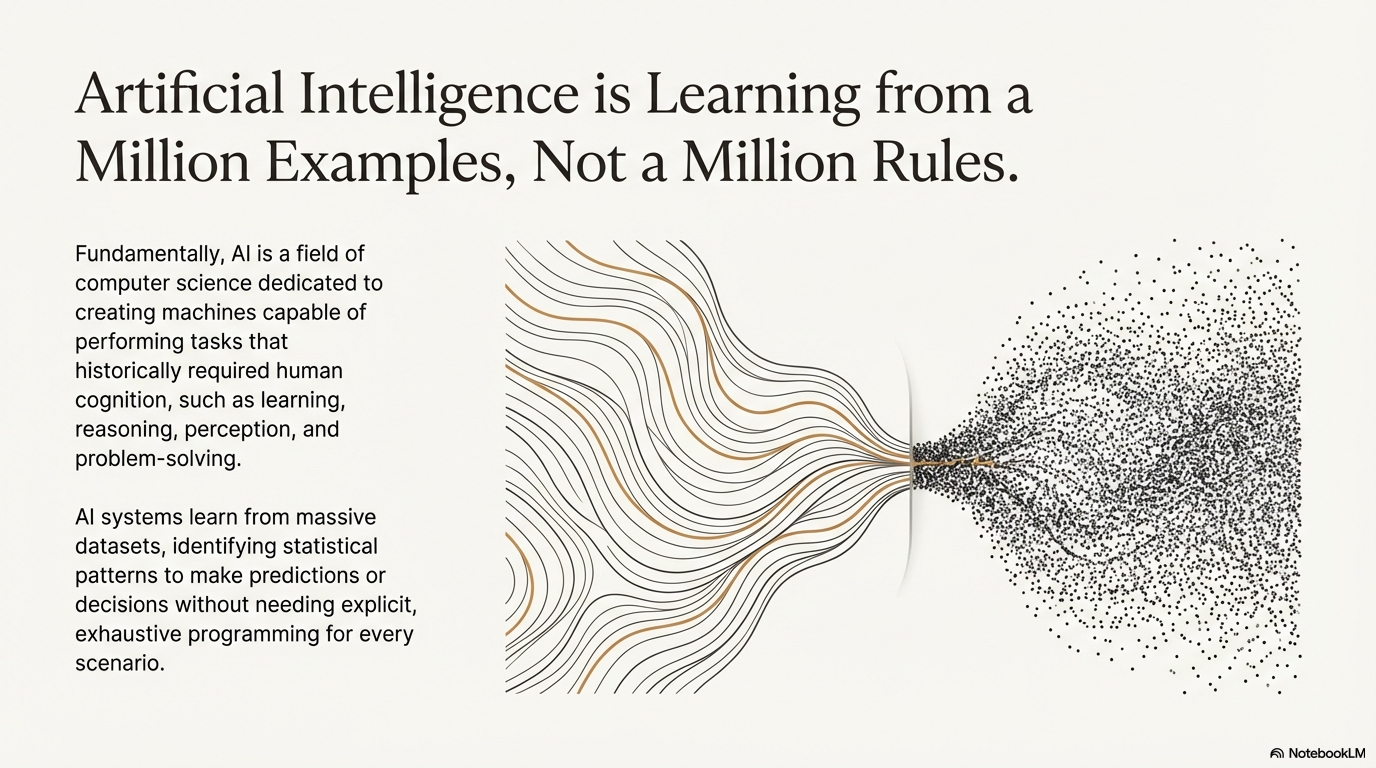
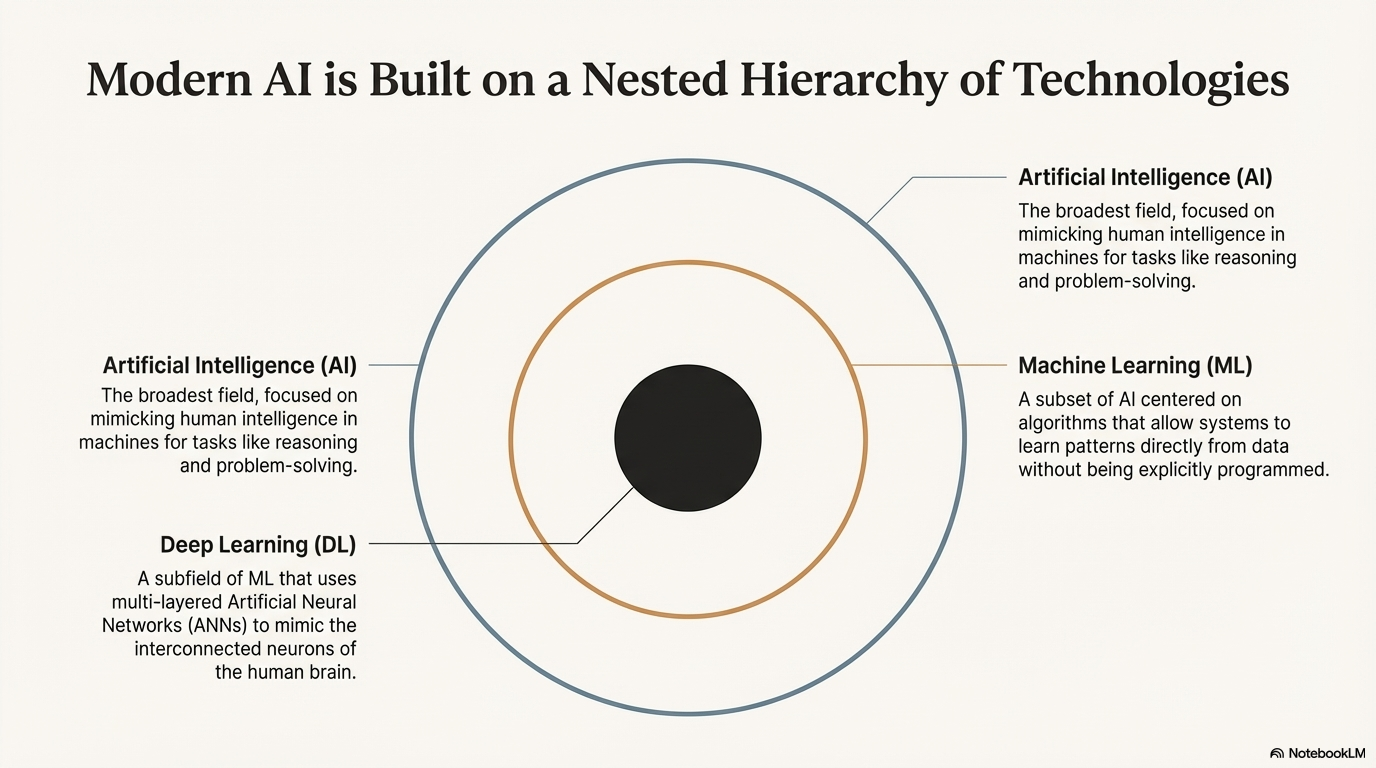
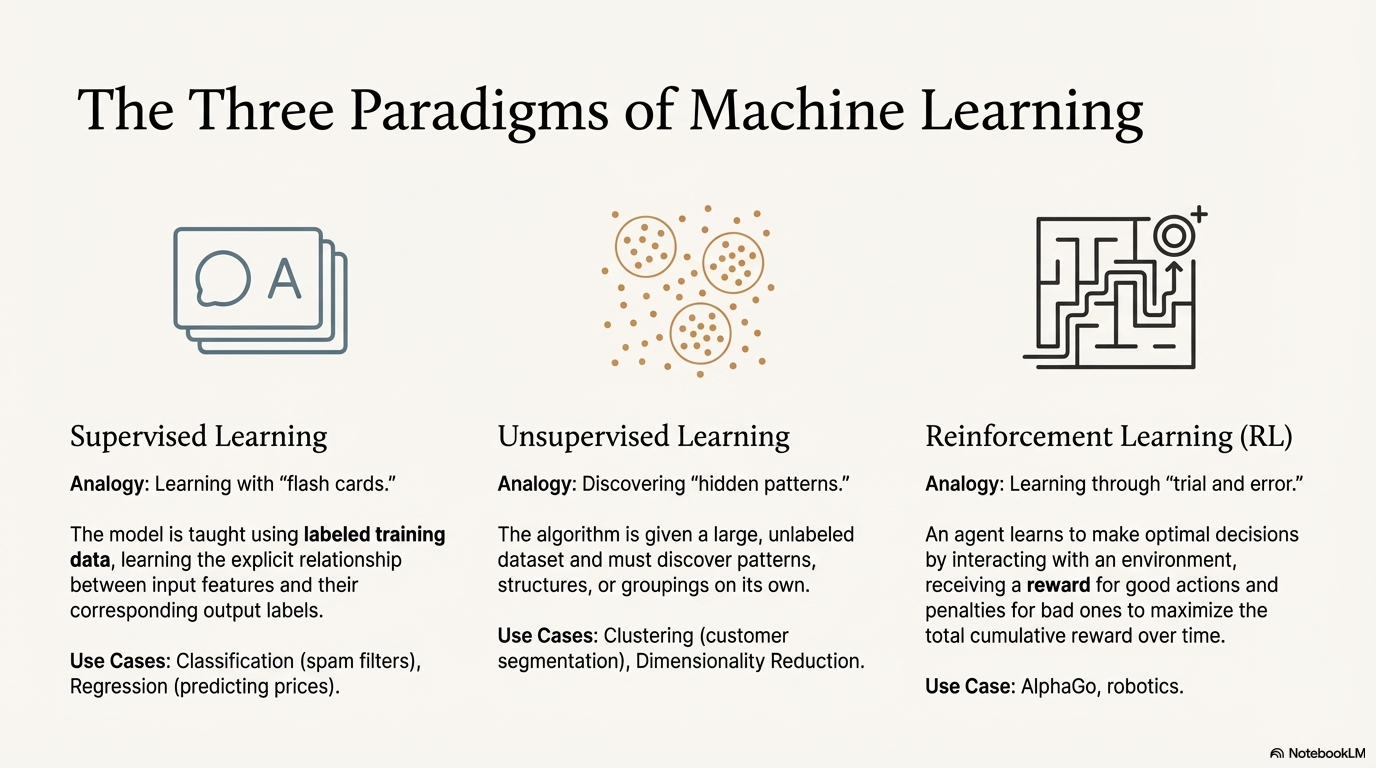
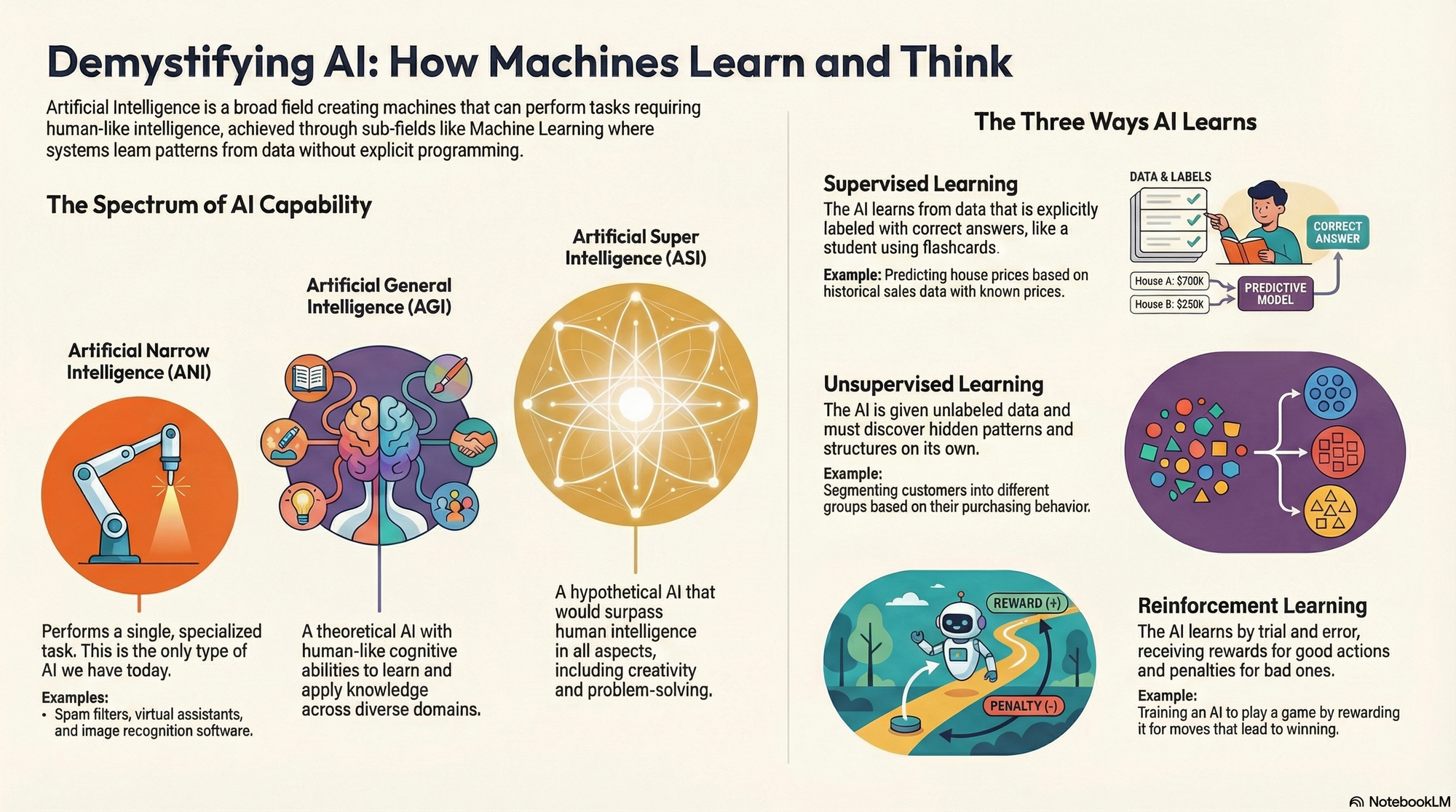
Artificial Intelligence is a field of computer science dedicated to creating sophisticated machines that can perform tasks historically requiring human cognition, such as learning, reasoning, perception, and complex problem-solving. Unlike traditional software based on explicit, rigid rules, AI systems operate by learning statistical patterns from vast amounts of data to make predictions or decisions on their own.
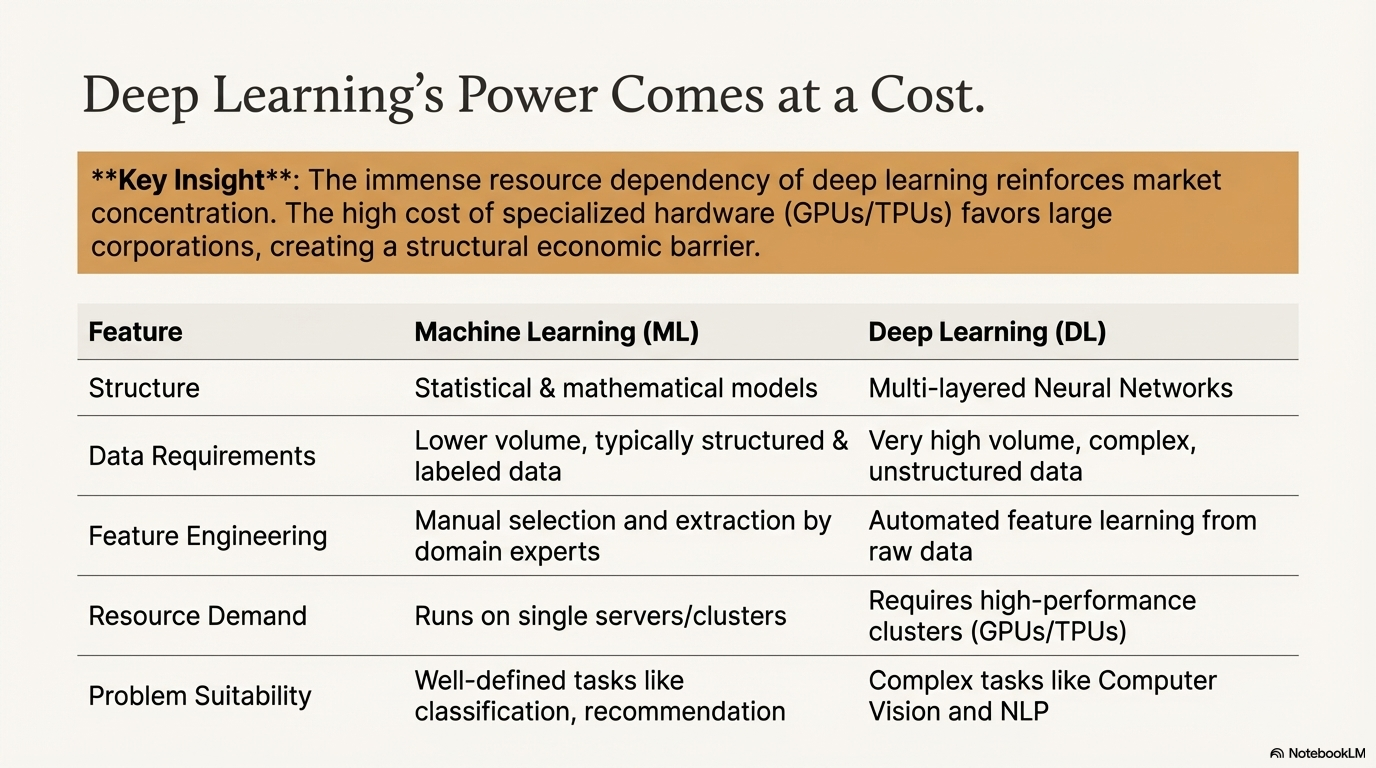
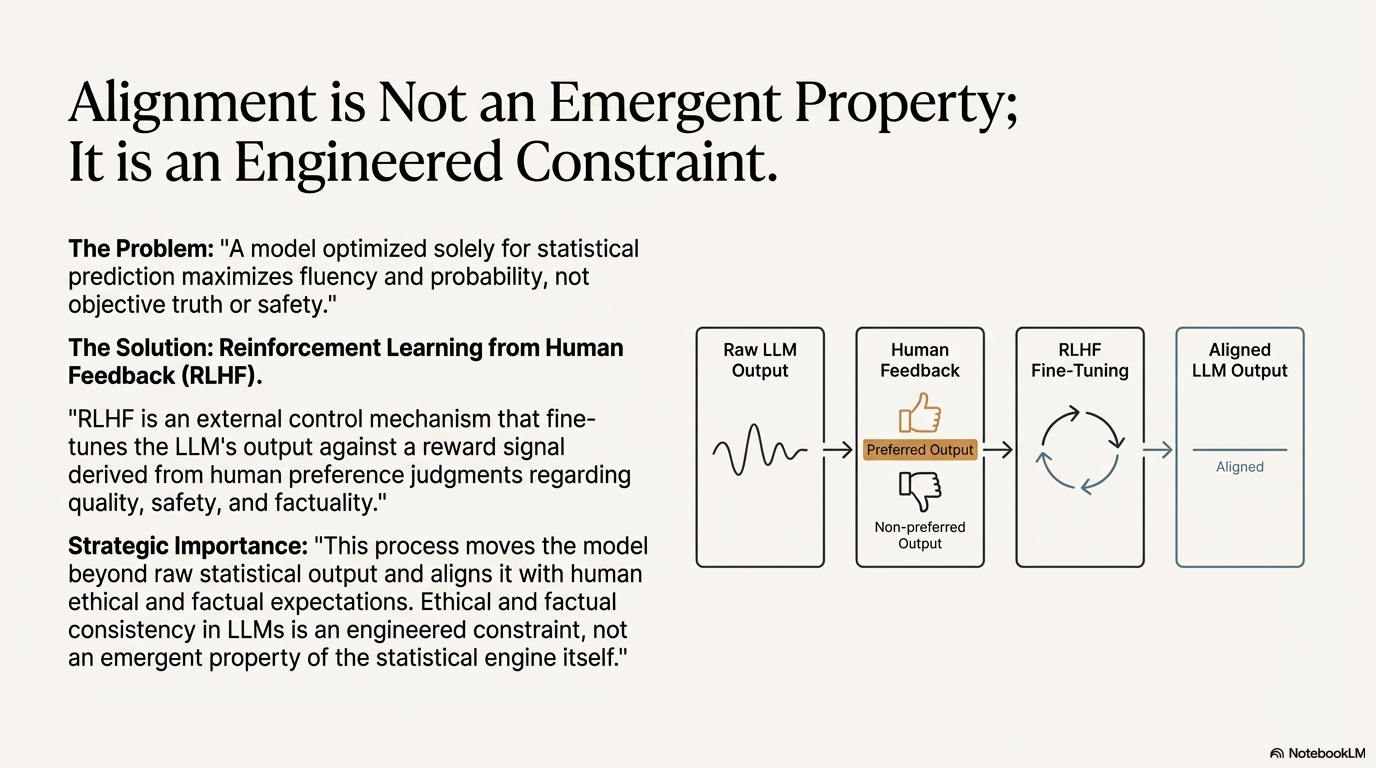
This learning is achieved primarily through the nested hierarchy of Machine Learning (ML) and Deep Learning (DL). Deep learning, which uses complex, multilayered neural networks, powers the modern AI boom, leading directly to the development of powerful systems like Large Language Models (LLMs).
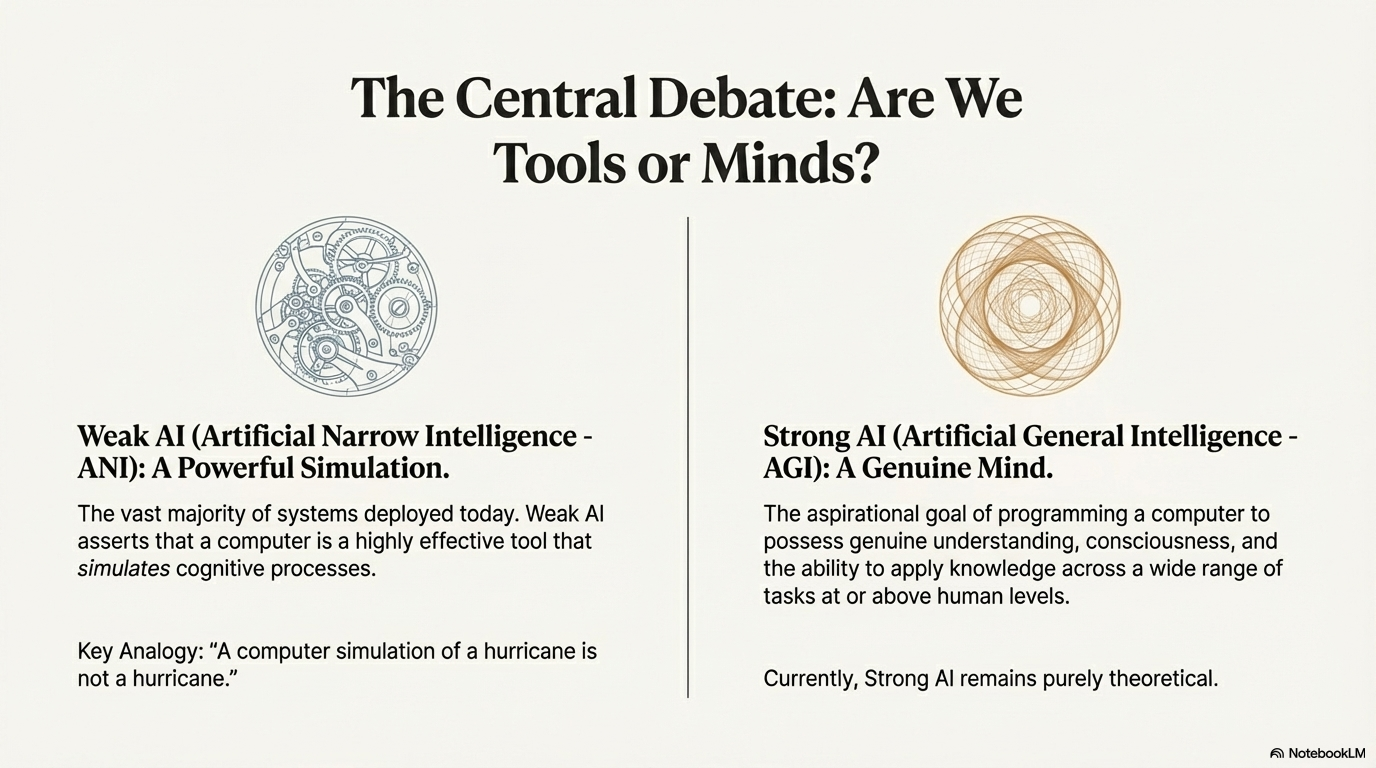
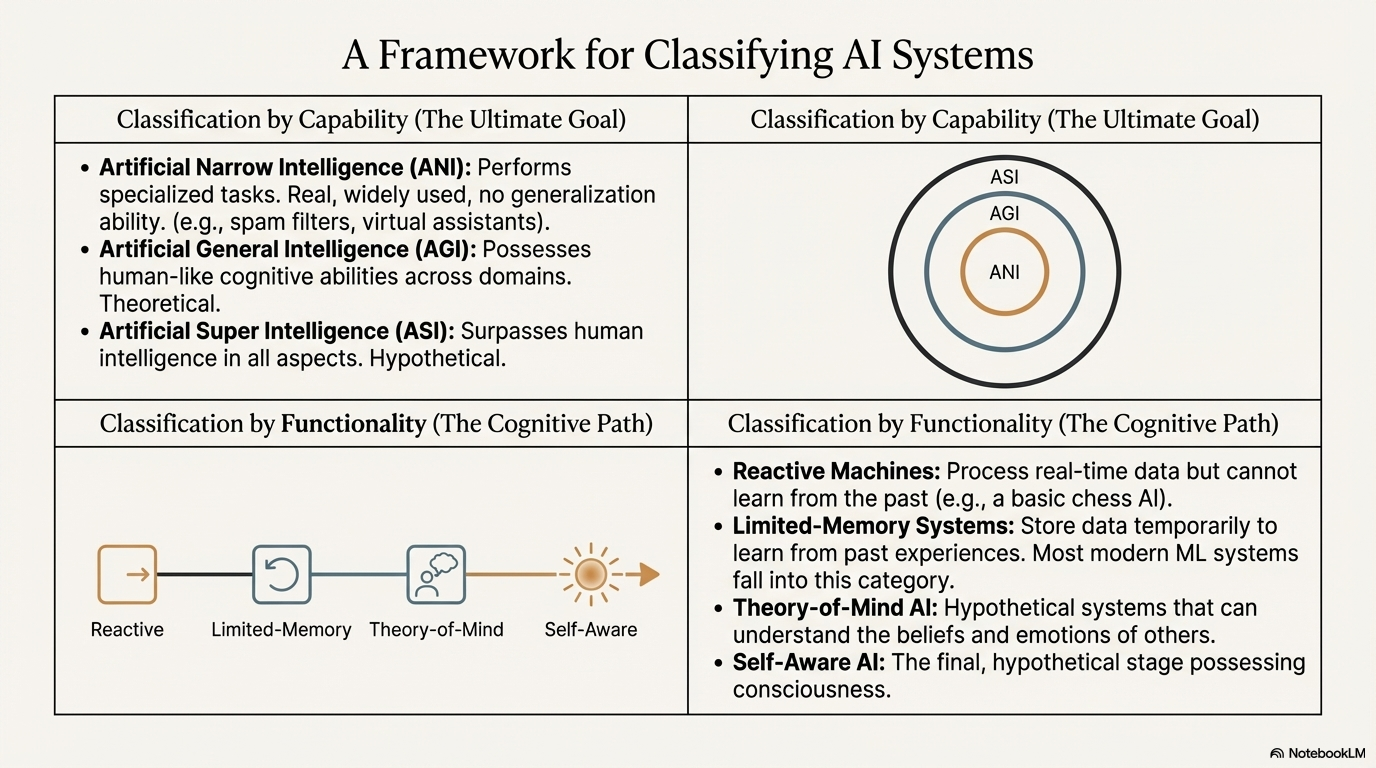
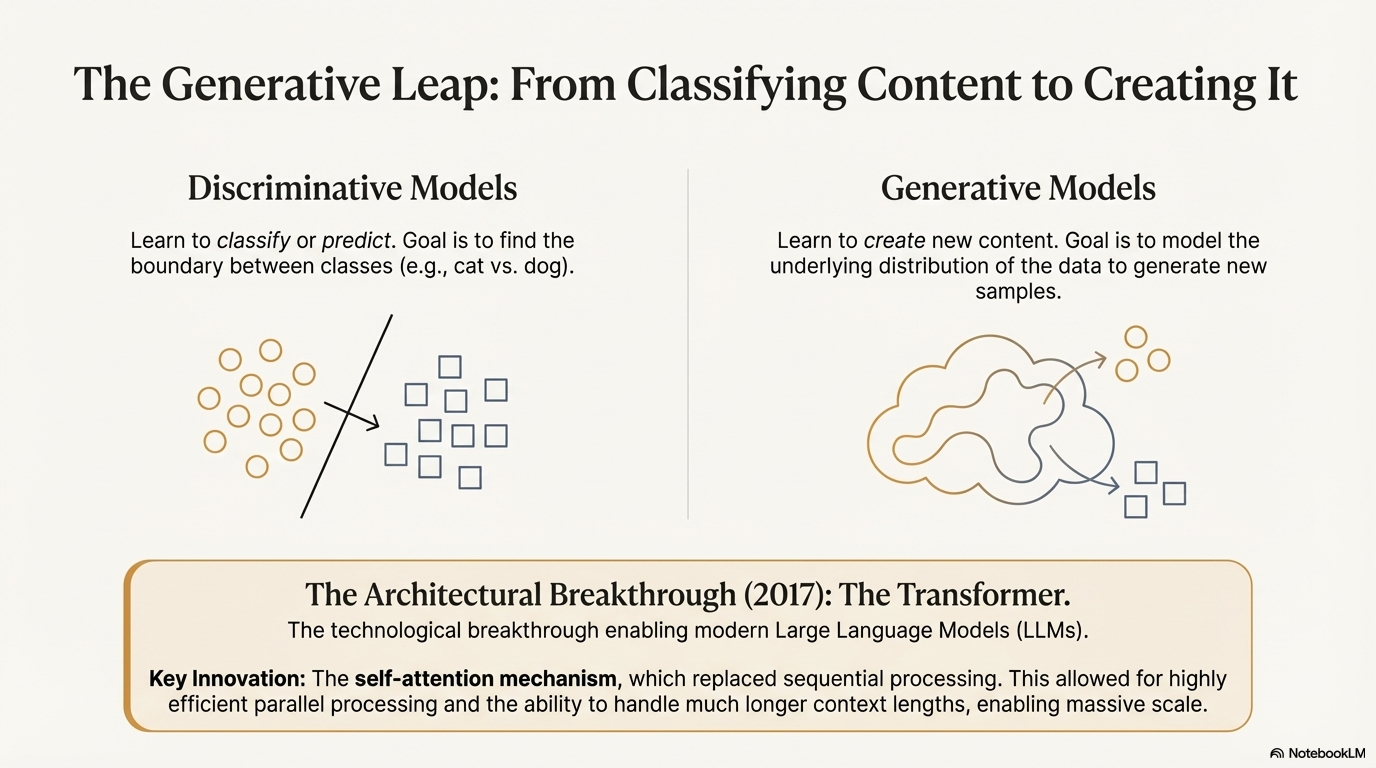
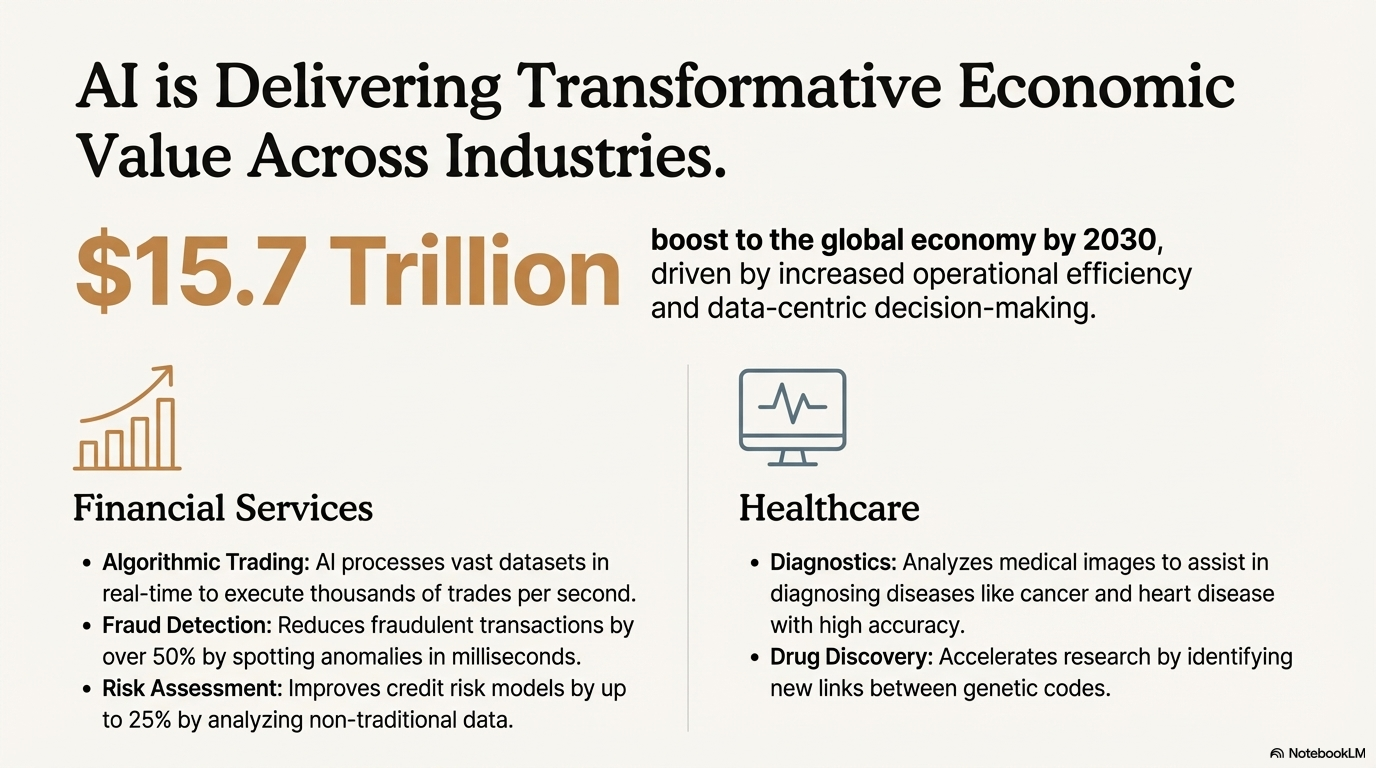
The widespread adoption of AI, driven significantly by generative models that create new content (text, images, code), offers immense possibilities. AI systems are already integrated into daily life, transforming business sectors by accelerating medical research, creating more efficient supply chains, and revolutionizing finance through tools like fraud detection and algorithmic trading. This application of current AI—known as Artificial Narrow Intelligence (ANI)—is highly specialized, yet it is the only form of AI that exists today.
However, the proliferation of AI systems brings growing ethical and practical challenges. This course will thoroughly examine critical issues such as:
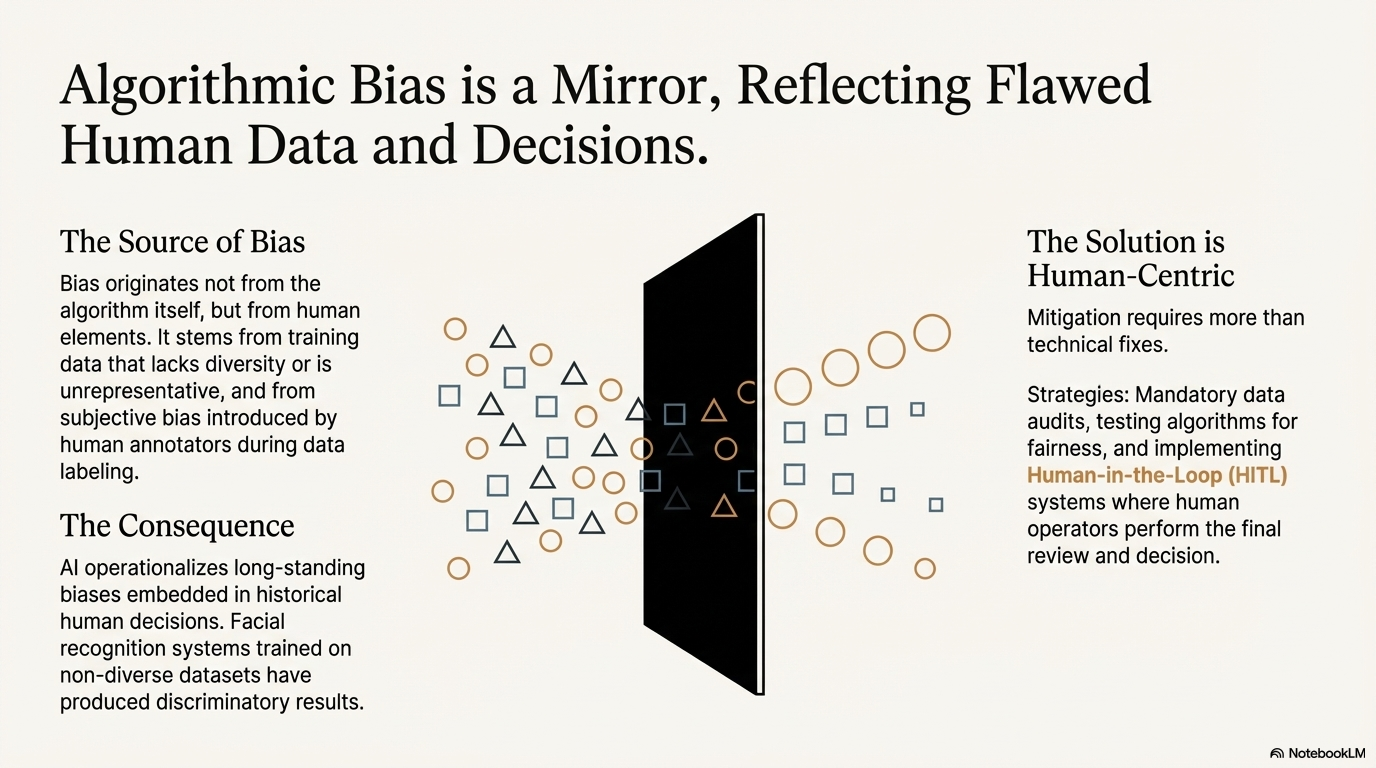
• Algorithmic Bias: Where AI systems reinforce or amplify existing societal prejudices due to flaws in the training data or design, potentially leading to discriminatory outcomes in areas like hiring or lending.
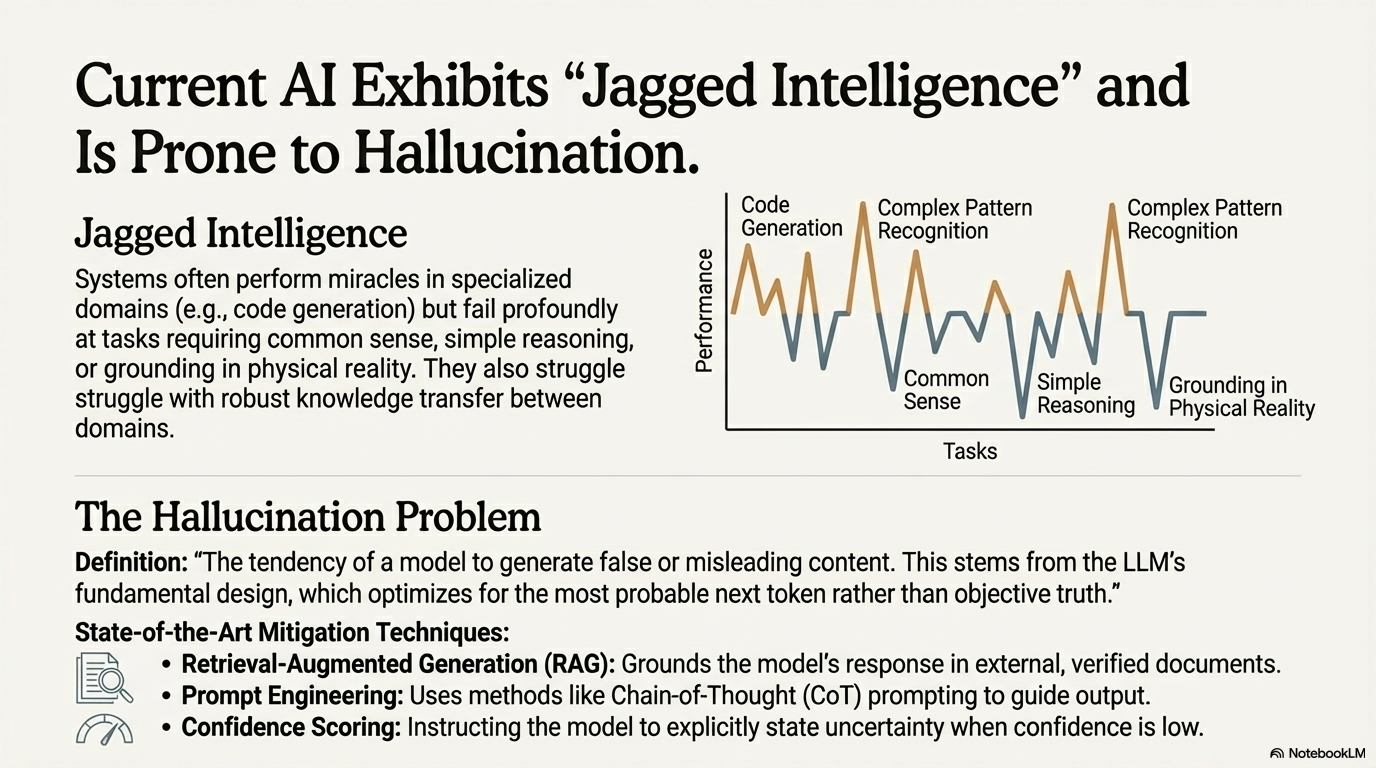
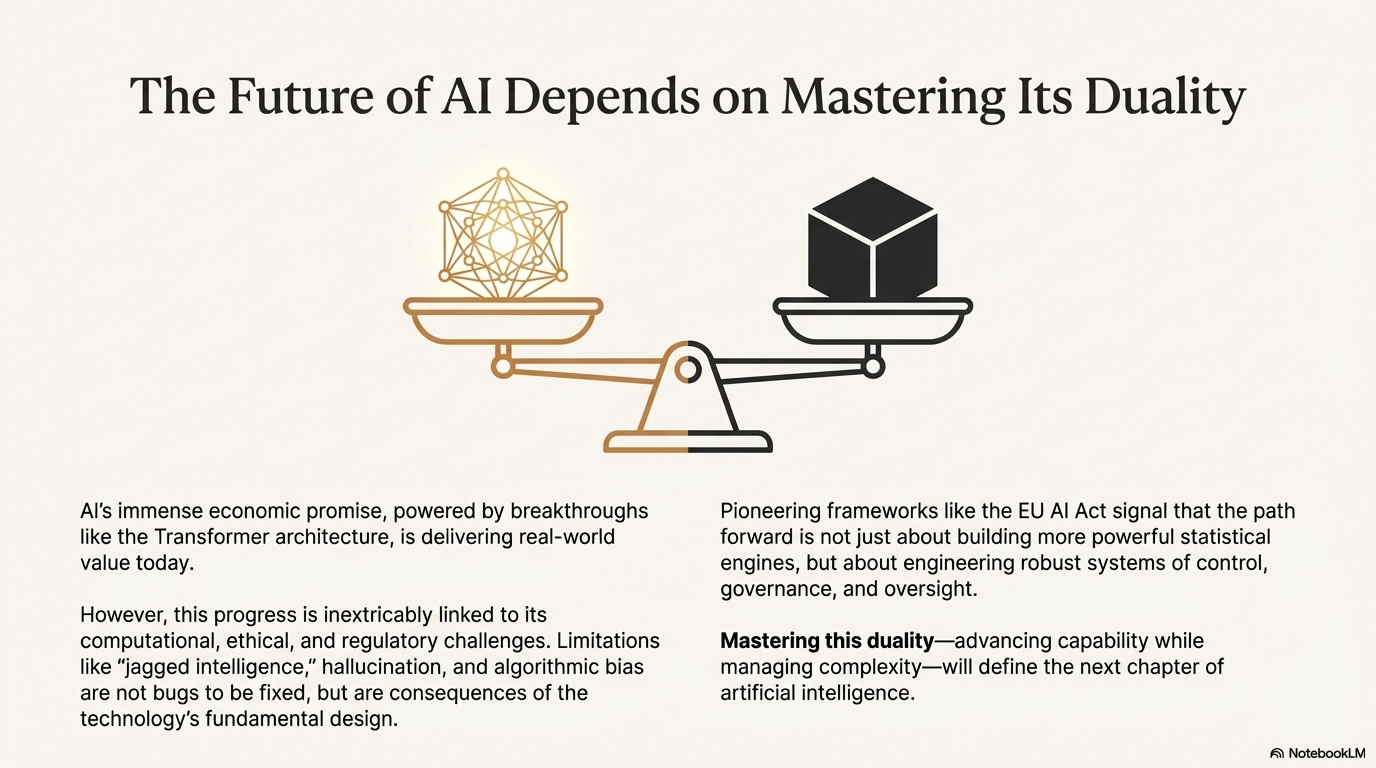
• The Hallucination Problem: The core technical limitation where AI generates false or misleading information that is presented confidently as fact.
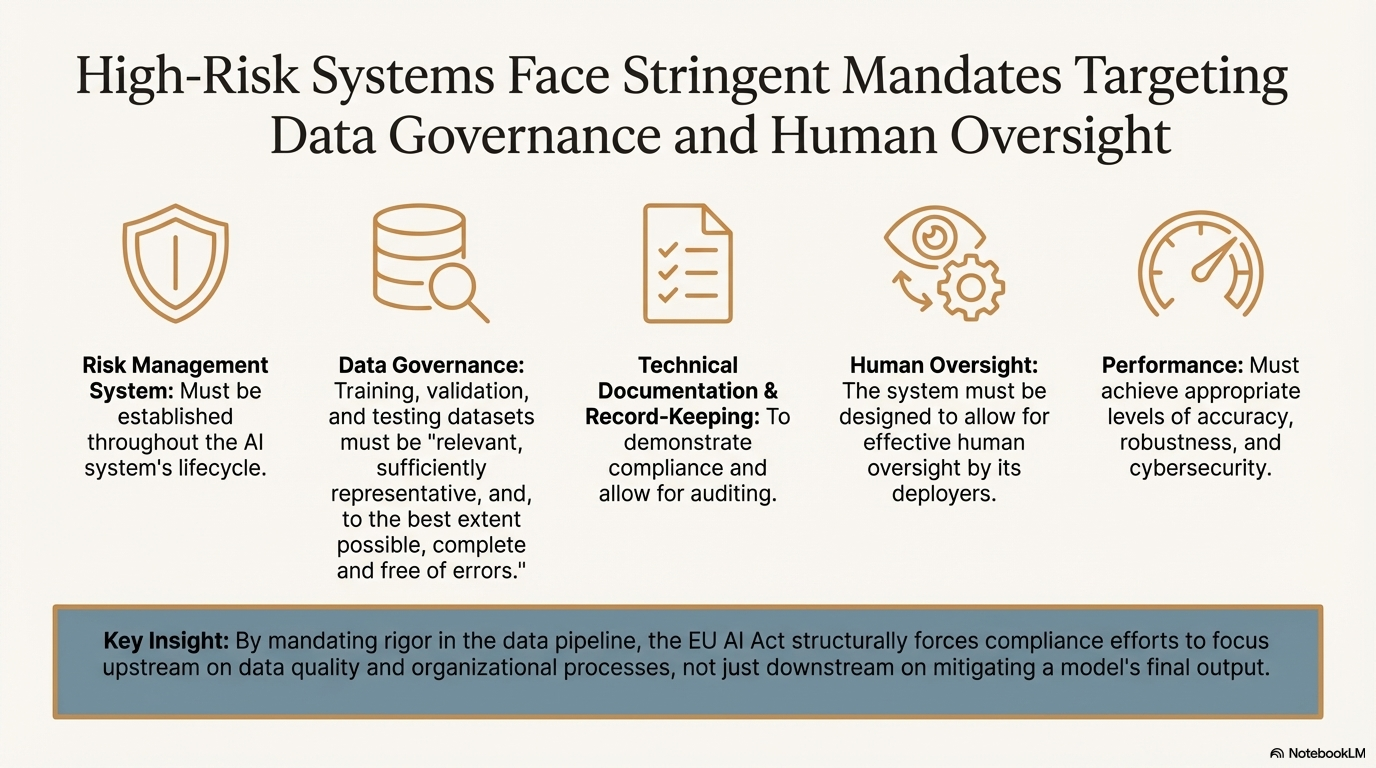
• Accountability and Transparency: The challenge of understanding how complex models arrive at decisions (the "black box" problem) and assigning responsibility when systems cause harm.
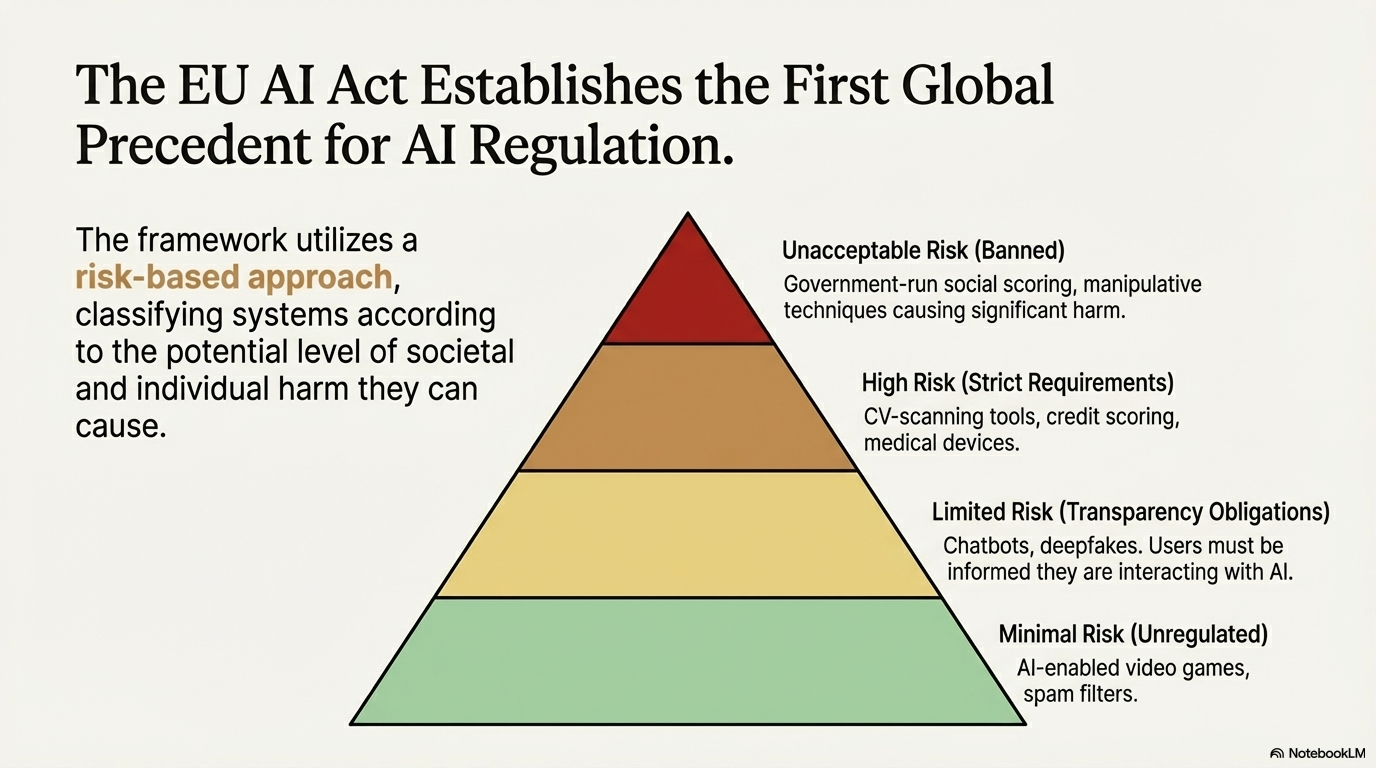
To address these risks, the course concludes by detailing the critical importance of AI governance and the development of robust ethical frameworks, such as the risk-based approach employed by the EU AI Act. By the end of this journey, you will have the knowledge to thoughtfully engage with the future of this technology and understand the dual reality of its unprecedented capabilities and the imperative for responsible development.
Slides